Beyond the Postcard: Chasing Light and Solitude in Lofoten’s Wild Heart
Have you ever stood somewhere so raw and beautiful it made your breath catch? That’s Lofoten. Far from just a pretty island chain, this Norwegian archipelago pulses with untamed energy—towering peaks, Arctic tides, and villages clinging to the edge of the world. I went seeking scenery but found something deeper: a rhythm of life shaped by nature’s extremes. This isn’t just travel; it’s immersion in a landscape that reshapes your soul. Nestled above the Arctic Circle yet warmed by the Gulf Stream, Lofoten defies expectations at every turn. Here, dramatic mountains rise directly from the sea, fishing villages glow in golden light, and time feels suspended between seasons. For travelers seeking not just views but meaning, this is a destination that answers a quiet longing for authenticity, stillness, and connection.
The First Glimpse: Arriving in a Dream-Like Landscape
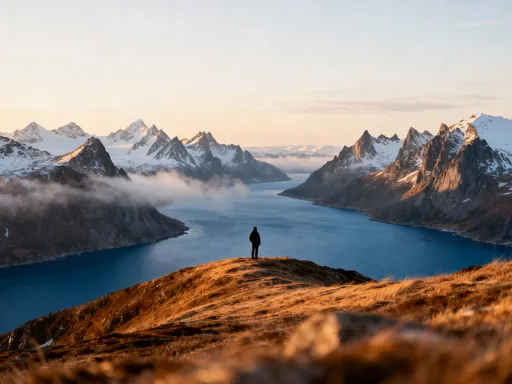
Arriving in Lofoten is less like landing at a destination and more like stepping into a dream. Whether by small plane descending through scattered clouds or by overnight ferry cutting through dark, glassy waters, the first sight of the islands stirs something deep within. The jagged silhouette of Lofoten’s peaks—sharp as broken stone—emerges from the horizon, their snow-dusted summits glowing under the low Arctic sun. There is no gradual introduction; the landscape announces itself with boldness and clarity, as if nature decided to reveal its most dramatic hand all at once.
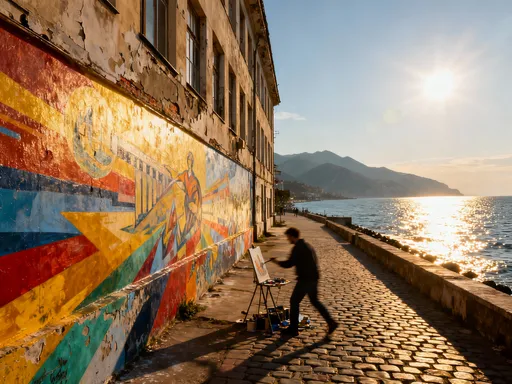
This sudden immersion sets the emotional tone for the entire journey. Unlike destinations that unfold slowly, Lofoten demands immediate presence. The interplay of light and shadow across the sea and mountains creates a living painting, constantly shifting with the weather and time of day. In the morning, soft pinks and golds wash over the fjords; by midday, the sun catches the wet rocks, making them gleam like polished metal; in the evening, long shadows stretch across the valleys, deepening the sense of solitude. Each moment feels heightened, almost cinematic, yet undeniably real.
The remoteness of the archipelago only deepens this sense of discovery. Located well above the Arctic Circle, Lofoten is not on the way to anywhere else. Getting here requires intention. There are no major highways or bustling international airports—just a series of bridges, tunnels, and ferries connecting the islands. This isolation, once a challenge for residents, now serves as a gift for travelers. It filters out the casual tourist and invites those who come with quiet curiosity. The journey itself becomes part of the experience, building anticipation with every mile traveled over water and mountain pass.
What makes this first impression so powerful is not just the beauty, but the feeling of standing at the edge of the known world. The islands seem to hover between land and sea, civilization and wilderness. Fishing boats bob near red rorbuer cabins, while behind them, sheer cliffs rise thousands of feet into the sky. There is no separation between the human and the natural; they exist in constant conversation. This harmony—between people and place, between effort and reward—is what defines Lofoten from the very first glance.
Into the Fjords: Where Water Meets Wilderness
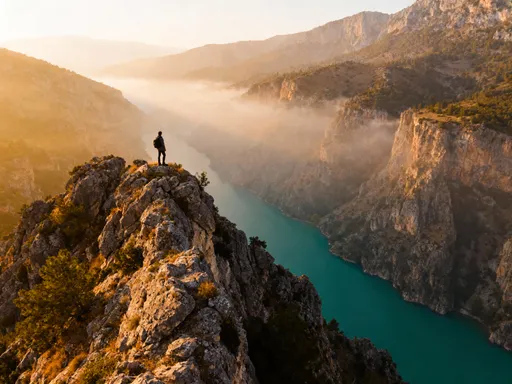
If the mountains define Lofoten’s skyline, the fjords shape its soul. Carved by glaciers over millennia, these deep inlets weave through the islands like liquid veins, connecting villages, sheltering wildlife, and offering some of the most intimate ways to experience the archipelago’s wild heart. While roads cling to narrow strips of coastline, the fjords open up a different dimension—one of silence, reflection, and awe-inspiring scale. To travel by water here is to move at nature’s pace, allowing the landscape to unfold slowly, deliberately.
Kayaking or joining a small boat tour through the fjords transforms the journey into a sensory experience. Paddling across still, mirror-like waters, you glide between towering rock faces that plunge straight into the sea. The only sounds are the dip of the paddle, the distant cry of an eagle, and the occasional splash of a porpoise breaking the surface. The verticality is overwhelming—cliffs rise so high they seem to tilt the sky. Yet, there is also delicate beauty: patches of hardy green moss clinging to crevices, waterfalls cascading down after rainfall, and the soft lapping of waves against sea-worn boulders.
These aquatic corridors offer access to places unreachable by road. Hidden coves, secluded beaches of white or black sand, and ancient fishing shelters lie tucked away in quiet corners. Some of these spots have been used by fishermen for generations, their stories whispered in the wind. Traveling by water allows you to approach them with reverence, as if stepping into a private chapter of history. It also brings you closer to wildlife. Seals often follow kayaks curiously, while seabirds nest in colonies along the cliffs. In deeper waters, the rich marine life supports everything from cod to orcas, especially during seasonal migrations.
The fjords also teach humility. The sea here is powerful, shaped by Arctic tides and sudden weather shifts. A calm morning can give way to strong winds by afternoon, reminding visitors that nature sets the rules. Local boat operators, many of them former fishermen, know these waters intimately and guide with quiet confidence. Their knowledge is not just practical—it’s cultural, passed down through families who have lived along these shores for centuries. To travel with them is to learn not only about the landscape, but about the resilience and wisdom required to thrive in such an environment.
Life in the Rorbuer: Staying in the Soul of Fishing Culture
No stay in Lofoten is complete without spending nights in a rorbuer—a traditional red wooden cabin that once housed seasonal fishermen during the winter cod harvest. These simple, gabled structures line the shores of many villages, their bright color standing in vivid contrast to the gray sea and green hills. Today, many have been carefully restored and transformed into cozy accommodations, blending historic charm with modern comfort. Staying in a rorbuer is more than a lodging choice; it is an invitation to live, however briefly, within the rhythm of coastal life.
The design of the rorbuer reflects its purpose: practical, warm, and close to the water. Built on stilts in some places, they withstand the rise and fall of tides. Inside, exposed wooden beams, small windows, and simple furnishings create a sense of shelter and intimacy. The scent of aged wood mingles with the salty air that drifts in from the sea. In winter, drying racks outside are filled with cod, air-cured in the cold wind—a practice known as stockfish, which has sustained communities here for over a thousand years. Seeing these racks at sunrise, silhouetted against the snow-covered peaks, is to witness a living tradition.
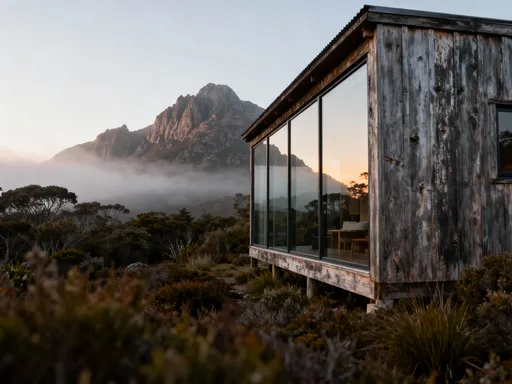
Sleeping in a rorbuer connects you to the daily pulse of the place. Mornings begin with the soft light filtering through the windows, often accompanied by the gentle rocking of fishing boats nearby. The sound of waves, the cry of gulls, and the distant hum of a motorboat heading out to sea become the soundtrack of your days. Evenings are quiet, marked by long shadows and the glow of cabin lights reflecting on the water. Without the distractions of city life, time slows. You notice small things—the way the wind bends the grass, the pattern of rain on the roof, the way the mountains change color at dusk.
Many rorbuer stays are run by local families who welcome guests with quiet warmth. They may share stories over coffee, offer homemade bread, or point out the best spot to watch the northern lights. These moments of connection are not performative; they are born of genuine hospitality. In a world where travel often feels transactional, the rorbuer experience restores a sense of human closeness. It reminds us that the best journeys are not just about where we go, but how we are received.
The Northern Lights and the Midnight Sun: Time Out of Time
Lofoten’s location above the Arctic Circle grants it two of nature’s most mesmerizing phenomena: the midnight sun in summer and the northern lights in winter. These are not mere attractions; they are profound experiences that alter one’s sense of time, light, and existence. In their presence, the ordinary becomes extraordinary, and the boundaries between day and night, reality and wonder, begin to blur.
From late May to mid-July, the sun never fully sets. It dips low on the horizon, painting the sky in hues of amber and rose, then rises again without disappearing. This endless daylight creates a unique energy. Hikes that would normally be limited by time can extend into the late evening, with photographers capturing alpenglow on the peaks at 11 p.m. Families take evening walks on the beach, children playing in the soft light as if it were mid-afternoon. There is a feeling of abundance, as if the day has been gifted extra hours. Farmers tend their fields late into the night, and fishermen take advantage of the extended light to navigate the fjords.
In contrast, the winter months bring long nights—and with them, the chance to witness the aurora borealis. On clear, cold evenings, the sky often comes alive with shimmering ribbons of green, purple, and sometimes red. These lights dance silently across the heavens, shifting in shape and intensity. Viewing them from a remote beach, with snow-covered peaks in the background and the sound of waves in the distance, is an experience that defies description. It evokes awe, stillness, and a deep sense of connection to the universe.
Both phenomena teach visitors to let go of rigid schedules and embrace the natural flow of light. The midnight sun encourages activity, exploration, and joy in the present moment. The northern lights invite contemplation, patience, and quiet reverence. Together, they represent the dual soul of Lofoten—vibrant and dynamic, yet deeply peaceful. For many travelers, especially those from urban environments, these extremes offer a rare opportunity to recalibrate their internal clocks and remember that life does not have to move at a frantic pace to be meaningful.
Mountain Trails That Touch the Sky
For those drawn to the heights, Lofoten’s mountain trails offer some of the most rewarding hikes in Scandinavia. These are not gentle walks, but journeys that demand effort, focus, and respect for the elements. Yet the rewards—panoramic views, hidden beaches, and a profound sense of accomplishment—are unmatched. Each trail tells a story, not just of geology, but of personal discovery.
One of the most iconic is the climb to Reinebringen, a steep, rocky path that ascends over 400 meters in less than a kilometer. The trail is unmarked in places and can be slippery when wet, but the view from the top is legendary. From the summit, the village of Reine unfolds below like a model, surrounded by emerald fjords and jagged peaks. On a clear day, the entire archipelago stretches into the distance, a patchwork of land and water. Photographers gather here at sunrise, waiting for the perfect light, but even without a camera, the moment feels sacred.
Another favorite is the hike to Kvalvika Beach, a remote golden-sand cove accessible only by foot. The trail winds through open tundra and boulder fields, offering changing perspectives with every turn. When the beach finally appears—framed by towering cliffs and crashing waves—it feels like a secret revealed. Sitting on the sand, listening to the ocean, you understand why people are drawn to such places: they offer a rare combination of beauty and solitude.
For the more experienced, the Moskstraumen area presents dramatic coastal scenery shaped by powerful tidal currents. While not a single trail, the network of paths here allows exploration of rugged headlands and ancient fishing sites. The landscape feels primordial, shaped by wind and water over millennia. Hikers must be prepared for sudden weather changes, as fog can roll in quickly, reducing visibility. But with proper gear—waterproof clothing, sturdy boots, and navigation tools—these trails are accessible to determined travelers.
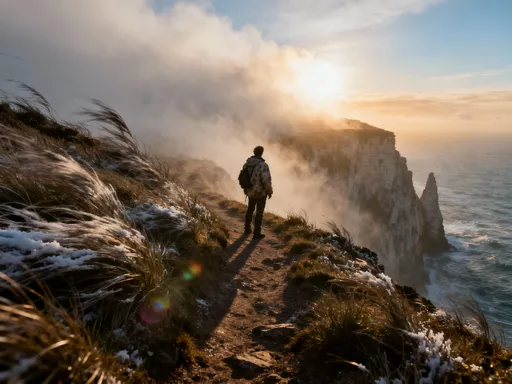
What makes these hikes transformative is not just the scenery, but the physical and emotional journey. The crunch of gravel underfoot, the burn in your legs, the sudden gust of wind at the summit—all become part of the memory. Reaching the top is not just a visual reward; it is a moment of personal triumph. And as you stand there, breathing deeply, looking out over a world of peaks and sea, you feel a quiet clarity, as if the noise of everyday life has finally fallen away.
Tasting the North: Food as a Reflection of Place
In Lofoten, food is not an afterthought—it is a direct expression of the land and sea. With a history shaped by fishing and harsh winters, the cuisine is simple, nourishing, and deeply tied to seasonal rhythms. Every meal tells a story of adaptation, resourcefulness, and respect for nature’s gifts. To eat here is to taste the essence of the North.
The star of the table is cod, especially during the winter fishing season. Fresh, salted, or dried as stockfish, it appears in stews, soups, and traditional dishes like tørrfisk. Many visitors have the chance to try it straight from a local kitchen, where it is served with boiled potatoes, carrots, and a creamy sauce. The flavor is clean and delicate, a testament to the purity of the Arctic waters. In coastal cafes, you might also find Arctic char, a pink-fleshed fish with a rich, buttery taste, often pan-seared and served with herbs.
Beyond seafood, the land offers surprising delights. In summer, wild cloudberries ripen in the boggy areas, their golden berries tart and aromatic. These are often made into jams, desserts, or served with whipped cream—a small luxury after a long hike. Homemade bread, baked with sourdough and dark flour, is a staple, its dense texture perfect for soaking up soups or spreading with butter and cloudberry jam.
Meals are often shared in small, family-run establishments where the owner might greet you at the door and explain the day’s special. There is no pretense, no elaborate presentation—just honest food made with care. Some visitors join cooking workshops to learn how to prepare traditional dishes, while others simply enjoy a warm meal after a day in the cold. In every case, the experience goes beyond sustenance. It becomes a moment of connection—to the place, to the people, and to a way of life that values simplicity and seasonality.
The Quiet Moments: Finding Stillness in the Wild
After the hikes, the fjord trips, the aurora watches, it is often the quiet moments that linger longest. These are the unscripted, unplanned instances when time seems to pause: sitting on a rock by the sea, watching waves crash against black sand; hearing the gentle bell of a sheep in a distant valley; sharing a silent cup of coffee with a local as the morning mist lifts. These moments do not come from itineraries or guidebooks. They arise naturally, like gifts from the landscape itself.
It is in these stillnesses that Lofoten reveals its deepest truth. This is not a place to conquer or consume, but to inhabit. It does not offer escape from life, but reconnection—to nature, to oneself, to the slow, steady rhythm of the earth. The mountains do not care about your schedule. The sea does not wait for your arrival. And yet, in their indifference, they offer a strange comfort. Here, you are not the center of the world, and that is exactly what makes you feel whole.
For many travelers, especially women in the 30–55 age group who carry the weight of daily responsibilities, Lofoten offers a rare permission to slow down. There is no pressure to perform, to document, or to move on to the next thing. You can simply be. You can stand at the edge of the sea and breathe. You can watch the light change on the mountains and feel your thoughts settle. You can listen—to the wind, to the silence, to the quiet voice within that so often gets drowned out.
And when you leave, you carry more than photographs or souvenirs. You carry a memory of clarity, of beauty that does not shout but whispers. You carry the feeling of having been seen not for what you do, but for who you are. Lofoten does not change the world—but it can change the way you see it. Through its light, its sea, its mountains, and its people, it reminds us that wonder still exists, and that sometimes, the wildest place we can journey to is within ourselves.