Lost in the Pastel Streets of Key West
Wandering through Key West feels like stepping into a dream painted in coral pinks, seafoam greens, and sun-bleached blues. The air hums with salt and stories, and every corner holds a surprise — from whispering palm alleys to clapboard houses that lean like old friends sharing secrets. This isn’t just a destination; it’s a feeling. And if you know where to look, its cityscape tells a rich, vibrant tale of island life, resilience, and charm. For women who cherish moments of quiet beauty, authentic connection, and the gentle rhythm of a place shaped by sun and sea, Key West offers a rare gift — a space where time slows and the soul breathes.
First Impressions: The Gateway to Key West
The journey to Key West begins long before you step onto its streets. As travelers cross the Seven Mile Bridge — a ribbon of concrete suspended over shimmering turquoise waters — a shift occurs, subtle yet unmistakable. The world behind fades: no more strip malls, traffic lights, or hurried commutes. Ahead lies an island strung like a gem along the southernmost edge of the continental United States, where the pace softens and the sky stretches wide. This bridge is more than infrastructure; it’s a threshold between the ordinary and the enchanted. On either side, the Atlantic Ocean and the Gulf of Mexico meet in a dance of light and current, their waters shifting from deep sapphire to translucent jade as the sun climbs.
As the island draws nearer, pastel rooftops emerge through a canopy of coconut palms and sea grape trees. The first view of Key West is never panoramic — it reveals itself gradually, like a secret shared in whispers. Boats of all sizes fill the marinas: fishing skiffs with weathered decks, sailboats with furled sails, and luxury yachts reflecting the sky. The roads narrow, the buildings grow closer together, and the air carries a distinctive blend of brine, frangipani, and grilled seafood. Even the traffic seems to move with intention rather than urgency, as if everyone has agreed to savor the moment.
For many visitors, especially women managing busy households and complex schedules, this transition is deeply restorative. There is a psychological release in knowing that for a few days, efficiency is not the goal. Here, arrival is not measured by checklists but by sensation — the warmth of the sun on bare shoulders, the sound of a distant steel drum, the sight of a pelican gliding just above the waves. The island welcomes with openness, not fanfare. And from the moment one steps off the bridge, the experience becomes less about tourism and more about immersion in a place that values ease, color, and conversation.
Old Town: Where History and Color Collide
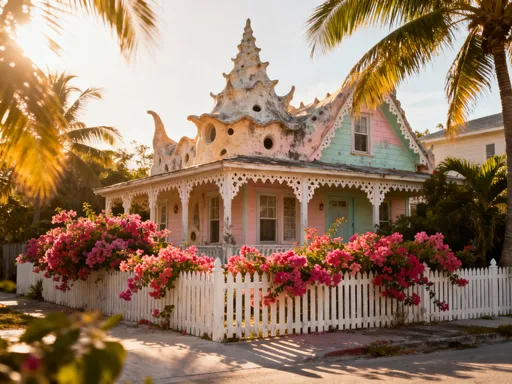
At the heart of Key West lies Old Town, a 19th-century grid of narrow streets where history lives not in museums alone but in the very walls of homes and shops. This neighborhood is a living canvas of conch architecture — a style born from Caribbean influences, maritime trade, and the need to survive heat and hurricanes. Walking through Old Town feels like moving through a storybook where every house has a name, a past, and a personality. The buildings stand shoulder to shoulder, their pastel facades glowing in the tropical light: butter yellow, mint green, coral pink, lavender, and sky blue. Many are adorned with intricate woodwork known as gingerbread trim, delicate latticework that dances along eaves and porches.
These homes, some dating back to the 1800s, were built by shipwrights, wreckers, and merchants who thrived on the island’s strategic location. Elevated on brick piers, they allow air to circulate beneath, cooling the interiors naturally. Wraparound porches invite lingering — perfect for sipping coffee in the morning or watching fireflies at dusk. Iron railings, often painted white or black, add elegance while serving as anchors during storms. Gardens spill over fences: hibiscus blooms like flamboyant fans, bougainvillea drapes in fuchsia cascades, and banana trees rustle in the breeze. It’s not unusual to find a century-old church nestled between a boutique and a café, its steeple rising calmly above the treetops.
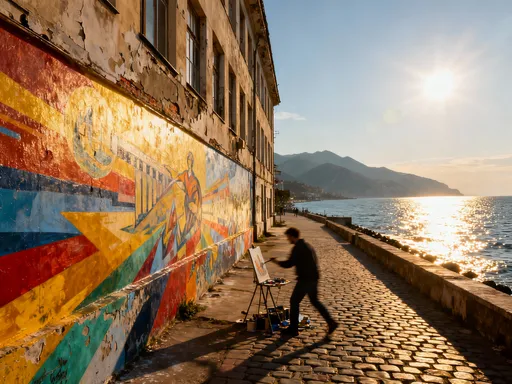
Old Town’s charm lies not only in preservation but in authenticity. Unlike some historic districts that feel curated or sterile, this neighborhood pulses with life. Children ride bikes down side streets, artists set up easels in shaded corners, and elders rock on porches with lemonade in hand. The city’s Historic Preservation Board ensures that renovations respect original designs, but residents are encouraged to personalize their spaces. This balance — between safeguarding heritage and allowing evolution — gives Old Town its soul. For the thoughtful traveler, a walk without a map often yields the richest rewards: a hidden courtyard strung with lanterns, a local gallery showcasing island-born painters, or a small park where iguanas sunbathe on stone walls.
Duval Street After Dark: Light, Sound, and Rhythm
When night falls, Duval Street transforms into a corridor of energy and illumination. Running from the Gulf to the Atlantic, this iconic thoroughfare becomes a stage for music, laughter, and the gentle clink of glasses. Neon signs flicker to life — not garish, but warm and inviting — casting colorful glows on weathered brick and ironwork. The scent of key lime pie mingles with salt air as couples, families, and solo travelers stroll beneath string lights and swaying palms. Live music pours from open doorways: reggae rhythms, acoustic ballads, jazz improvisations. Street performers — a saxophonist in a straw hat, a dancer with ribbons, a poet reciting under a lamppost — add layers of spontaneity.
Yet Duval Street at night is not about excess. While there are bars and nightlife venues, the atmosphere remains inclusive and grounded. Many establishments are family-run, with decades-long roots in the community. A mother and daughter might run a wine bar where guests sit on mismatched chairs and discuss books; a third-generation fisherman might host a nightly storytelling hour at his oyster shack. The energy is celebratory without being overwhelming, vibrant without losing its sense of place. For women seeking connection without chaos, this balance is refreshing — a space where one can enjoy a glass of local rum punch while listening to a guitarist play Bob Marley softly in the background.
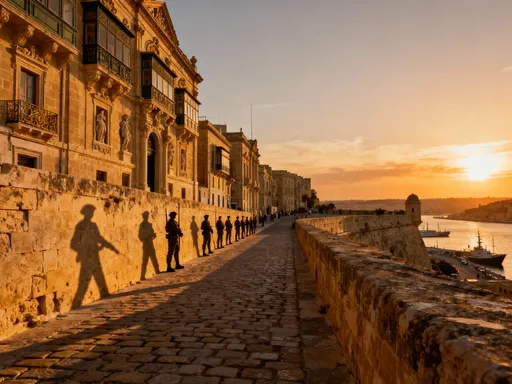
Navigating Duval after dark is simple and safe. The street is well-lit, pedestrian-friendly, and patrolled by friendly local officers on bicycles. Crosswalks are clearly marked, and most attractions are within walking distance. To experience the authentic spirit without the crowds, consider visiting early evening — between 6:00 and 8:00 p.m. — when the sun dips low and the golden hour paints the buildings in warm hues. Alternatively, explore the side streets branching off Duval, where quieter bars and intimate restaurants offer the same warmth with fewer tourists. The key is to move slowly, stay aware, and let the rhythm of the street guide you.
Waterfront Views: Where Land Meets Sea
The edge of Key West is defined by water, and its waterfront spaces are among the most cherished in the island’s landscape. From the bustling Mallory Square to the working docks of Key West Bight, these areas blend utility with beauty, commerce with ceremony. At sunset, Mallory Square becomes a gathering place unlike any other. Locals and visitors line the seawall, facing west, as the sky ignites in shades of tangerine, rose, and violet. Street performers — jugglers, fire dancers, magicians — entertain the crowd, while food vendors sell conch fritters and fresh coconut water. As the sun touches the horizon, a spontaneous hush falls, followed by applause. This nightly ritual, known as the Sunset Celebration, has been a tradition for over 50 years, a moment of collective awe that transcends age, background, or origin.
Yet beyond the spectacle, the waterfront reveals deeper layers of island life. At the Key West Bight, just a short walk from the cruise ship terminal, shrimp boats return with their daily catch, their decks slick with spray and their holds full of pink Gulf shrimp. Fishermen in wide-brimmed hats unload crates while pelicans wait nearby, ever hopeful. Charter captains prepare for tomorrow’s snorkeling trips, checking gear and restocking coolers. This is not a staged experience — it’s real, working waterfront culture. For those who appreciate authenticity, spending time here offers a glimpse into the livelihoods that sustain the island.
For a more tranquil experience, head to the Southernmost Point buoy — not just a photo spot, but a symbolic marker of geographic significance. Nearby, Higgs Beach offers a quieter shoreline with sea grape trees providing natural shade. The beach is popular with families, dog walkers, and those seeking a peaceful place to read or meditate. Along the eastern shore, the Truman Waterfront Park hosts weekend farmers markets and outdoor yoga sessions. No matter the location, the presence of water brings a calming constancy — a reminder that Key West’s identity is inseparable from the sea.
Hidden Lanes and Local Life
Away from the main avenues, Key West reveals its quieter, more intimate side. Narrow lanes with names like Sassafras Street, Grinnell Street, and William Street wind between homes, often too tight for cars. These alleys are where island life unfolds in its most unguarded moments. Roosters — descendants of farmyard birds long gone — strut with pride, their calls echoing in the morning stillness. Cats, many cared for by neighbors, nap on window sills or stretch in patches of sunlight. Clothes dry on outdoor lines, swaying gently in the breeze. A woman waters her orchids. A man repairs a bicycle. Children chalk hopscotch grids on the pavement.
These residential blocks are not designed for tourism, yet they offer some of the most meaningful encounters. A small café might appear unexpectedly — a converted cottage with a hand-painted sign and a menu written on a chalkboard. Inside, the owner serves homemade key lime scones and locally roasted coffee. Another corner might host a community garden where neighbors grow tomatoes, peppers, and herbs. Bulletin boards outside corner stores list lost pets, babysitting services, and upcoming block parties. There is a rhythm here, a quiet consistency that speaks of belonging.
Exploring these areas requires no agenda. Simply walking without a destination allows for serendipity. One might stumble upon a tiny art studio where a painter works behind glass, or a hidden courtyard filled with wind chimes and bird feeders. A front porch might display a sign: “Free Books — Take One, Leave One.” These gestures — small, personal, uncommercial — reflect the spirit of Key West: generous, creative, and deeply human. For women who value connection, care, and the beauty of everyday moments, these quiet streets offer a profound sense of peace.
Architectural Details That Tell Stories
Every element of Key West’s architecture serves a purpose, shaped by climate, culture, and centuries of adaptation. The raised foundations seen on nearly every home are not merely aesthetic — they allow airflow to cool interiors and protect against flooding during storms. Metal roofs, often painted white or light gray, reflect sunlight and resist hurricane-force winds. Wide porches provide shaded outdoor living space, essential in a place where indoor and outdoor life blend seamlessly. Tall, narrow windows with louvered shutters can be adjusted to catch breezes while blocking rain — a design refined over generations.
The use of pastel colors is both practical and poetic. Light hues reflect heat, reducing indoor temperatures, but they also express individuality and joy. In the 19th century, homeowners began painting their houses in soft shades, inspired by Caribbean towns and the island’s vibrant light. Over time, this became a tradition — one that now defines Key West’s visual identity. Even door knockers and hardware carry meaning: heavy iron rings were once used to signal visitors without modern doorbells, and rooftop cupolas allowed hot air to escape, acting as natural ventilation systems.
These details are not relics — they remain functional today. Modern renovations often preserve or replicate them, honoring the wisdom of the past. Walking through the city with an eye for such features transforms a simple stroll into a lesson in resilience and ingenuity. One begins to see the architecture not as decoration but as dialogue — a conversation between people and environment, history and innovation. For those who appreciate thoughtful design and sustainable living, Key West offers quiet inspiration.
Why Wandering Matters: Reconnecting with Place
In an age of curated travel itineraries, GPS directions, and photo-chasing, the simple act of wandering has become radical. To walk without a map, without a schedule, without a destination — this is how we truly meet a place. Key West, with its maze of pastel streets and whispering palms, invites this kind of exploration. It rewards curiosity, patience, and presence. When we allow ourselves to get slightly lost, we open space for discovery — not just of landmarks, but of feelings, rhythms, and connections.
For women who spend their days managing homes, schedules, and relationships, this kind of unhurried exploration is a form of self-care. It is a return to wonder, a reawakening of the senses. To pause and watch a gecko climb a sun-warmed wall, to smell jasmine blooming after dusk, to hear the creak of a porch swing — these are not distractions from life but its essence. In wandering, we remember that we are part of a larger world, one full of beauty, resilience, and quiet magic.
Key West endures — through hurricanes, changing economies, and waves of visitors — because it holds fast to its soul. Its colors fade and are repainted. Its buildings weather storms and rise again. Its people welcome newcomers while keeping their roots deep in the sand. To walk its streets is to witness a living story, one written in pastel hues, salt air, and the steady rhythm of waves. So come with curiosity. Come with care. Let the island reveal itself, one quiet corner at a time. And in the process, you may just rediscover yourself.