Stonework Dreams: Where Dubrovnik’s Soul Meets the Lens
Perched on the Adriatic coast, Dubrovnik isn’t just a city—it’s a living mosaic of limestone and legend. Its walls have whispered stories for centuries, and today, they frame some of the most stunning architectural photo spots in Europe. As sunlight glides across terracotta rooftops and baroque bell towers rise above medieval alleyways, every turn feels like stepping into a frame waiting to be captured. This is where history doesn’t just live—it poses. For photographers and lovers of beauty, Dubrovnik offers a rare alchemy: the harmony of ancient stone, golden light, and the ever-present shimmer of the sea. More than a destination, it’s an invitation to slow down, observe closely, and discover how architecture, time, and light come together to create something timeless.
The Crown of the Walls – A Photographer’s High Ground
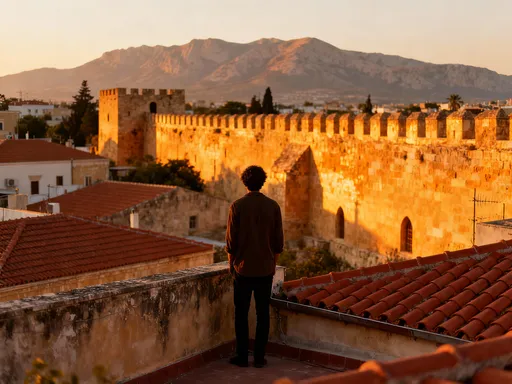
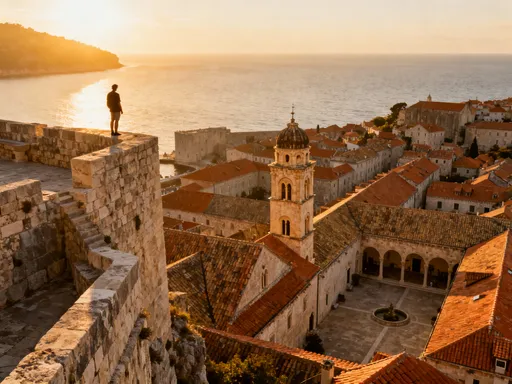
Dubrovnik’s city walls are not merely fortifications—they are the city’s crown, encircling centuries of history in a continuous embrace. For photographers, walking these ramparts offers one of the most rewarding vantage points in Europe. Stretching over 1.9 kilometers and rising up to 25 meters in places, the walls provide a continuous ribbon of elevated perspectives, where the sea, sky, and city converge in breathtaking compositions. The blend of medieval stonework, watchtowers, and bastions creates natural frames within the frame, guiding the eye toward panoramic views that unfold like a scroll with every step.
The best segments for photography begin near the Pile Gate and extend eastward toward Fort Bokar and Minčeta Tower. This western stretch captures the morning light beautifully, especially in spring and autumn when the sun climbs gently over the mainland, casting soft shadows across the limestone. The contrast between the warm stone and the deep blue Adriatic creates a visual rhythm that’s both soothing and dramatic. Midday light can be harsh, but the interplay of sunlight and shadow along the battlements offers strong graphic possibilities for black-and-white photography. Late afternoon brings golden warmth to the sea-facing side, particularly near the Revelin Fortress, where the light wraps around the massive stone blocks like liquid amber.
For optimal results, arriving at opening time—usually around 8:00 a.m.—ensures fewer crowds and cooler temperatures, both essential for a relaxed shoot. Tickets can be purchased online or at the entrance near Pile Gate, with adult prices typically ranging from 35 to 45 euros depending on the season. A combined ticket that includes access to major museums and fortresses is often a better value for those planning multiple visits. Comfortable walking shoes are essential, as the path includes steep staircases and uneven surfaces. While the walls are accessible year-round, spring and early autumn offer the most favorable weather and lighting conditions.
Photographers should consider bringing a wide-angle lens for expansive views and a mid-telephoto for compressing distant details, such as the rooftops of the Old Town or the sailboats dotting the harbor. A polarizing filter helps reduce glare on the water and enhances cloud definition in the sky. Tripods are permitted but should be used discreetly, especially in narrow sections where they may obstruct other visitors. Most importantly, patience is key—waiting for a quiet moment between tour groups can make the difference between a crowded snapshot and a serene, timeless image.
Stradun in Golden Hour – Where Light Dances on Stone
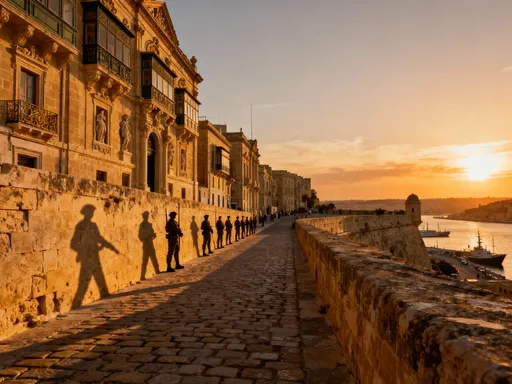
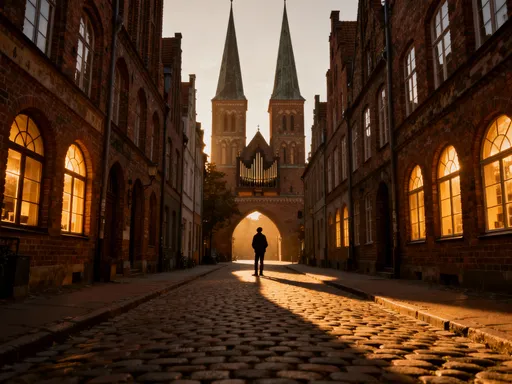
The Stradun, Dubrovnik’s main thoroughfare, is often bustling with tourists, street vendors, and the hum of conversation. Yet, when the golden hour descends—just before sunset—the energy shifts. The polished limestone pavement, worn smooth by centuries of footsteps, begins to glow with a warm, reflective sheen. Shadows stretch long across the symmetrical colonnades, and the baroque facades of the surrounding buildings seem to breathe with light. This is when Stradun transforms from a commercial artery into a stage for visual poetry, where every detail—from a café chair to a cobblestone crack—becomes part of a larger composition.
The street’s symmetry, a result of the city’s reconstruction after the 1667 earthquake, lends itself to strong architectural photography. The uniform height of the buildings, the rhythmic arches, and the clean lines create a sense of order that contrasts beautifully with the organic movement of people. Capturing this balance requires careful framing—using leading lines from the colonnades to draw the eye toward a distant bell tower or a figure silhouetted against the warm light. Reflections on the wet pavement after a light rain can double the visual impact, creating mirror-like surfaces that blur the boundary between reality and image.
The best time to photograph Stradun is between 30 minutes before and after sunset, particularly in late spring and early autumn when the sun sets at a diagonal angle, skimming the length of the street. This low-angle light enhances texture and depth, revealing the subtle variations in the stone’s surface. Midday shots, while bright, often lack contrast and can appear flat due to the overhead sun. Evening photography also allows for the gradual introduction of artificial light—lanterns, café signs, and window glows—that add warmth and narrative depth to images.
For those seeking candid moments, patience and discretion are essential. Rather than staging shots, photographers can wait for natural interactions—a child chasing a balloon, an elderly couple pausing to rest, or a street musician tuning their instrument. These fleeting moments, when framed against the grandeur of the architecture, speak to the living heart of Dubrovnik. A 35mm or 50mm prime lens works well for street photography, offering a natural field of view and excellent low-light performance. Shooting in RAW format ensures maximum flexibility during post-processing, especially when balancing the dynamic range between bright highlights and deep shadows.
Fort Lovrijenac – The Dramatic Silhouette at Sunset
Rising from a rocky promontory just outside the western walls, Fort Lovrijenac stands like a sentinel over Dubrovnik’s harbor. Often called the “Gibraltar of Dubrovnik,” this 11th-century fortress was built to defend the city from Venetian invasions and remains one of the most dramatic architectural subjects in the region. Perched 37 meters above sea level, its thick stone walls and triangular layout create powerful silhouettes, especially during sunset when the sky ignites in hues of orange, pink, and purple. From a photographic standpoint, the fort offers both grand vistas and intimate details, from sweeping coastal panoramas to the weathered textures of its limestone blocks.
The most compelling shots are often taken from the outside, across the narrow channel that separates the fort from the city walls. This perspective emphasizes its isolation and strength, with the sea churning below and the Old Town rising behind. A telephoto lens can compress the distance, making the fort appear to float above the water, while a wide-angle captures the full drama of its setting. The contrast between the warm glow of the stone and the cool blue of the Adriatic enhances the sense of depth and mood. Inside the fort, the open courtyard and arched battlements provide framing devices for shots looking back toward the city, particularly during the golden and blue hours.
Visiting during the Dubrovnik Summer Festival, which runs from July to August, offers unique opportunities to capture the fort in use as an open-air theater. Shakespeare’s *Hamlet* is traditionally performed here, and the combination of dramatic lighting, costumed actors, and ancient stone creates a theatrical atmosphere that is both historic and alive. However, access may be restricted during performances, so checking the festival schedule in advance is advisable. Outside of festival times, the fort is open to visitors daily, with tickets available at the entrance or included in the city’s combined pass.
Because of its exposed location, Fort Lovrijenac can be windy, especially in the late afternoon. A sturdy tripod and lens hood help reduce camera shake and lens flare. Neutral density filters can be useful for long exposures of the waves crashing against the rocks, adding a sense of motion and serenity. As with all historic sites, respect for the space is essential—avoid climbing on walls or entering restricted areas. The goal is not just to capture a beautiful image, but to do so in a way that honors the site’s history and cultural significance.
Onofrio’s Fountain – Detail Shots with a Story
Amid Dubrovnik’s grand vistas, some of the most powerful photographs emerge from the smallest details. Onofrio’s Fountain, located at the eastern end of Stradun, is a masterpiece of 15th-century stonework that often goes overlooked by hurried tourists. Designed by architect Onofrio della Cava, the larger fountain features 16 carved stone masks from which water once flowed, symbolizing abundance and civic pride. Though no longer a primary water source, the fountain remains a functional and aesthetic centerpiece, its circular basin reflecting the sky and surrounding architecture like a quiet mirror.
For photographers, this site offers rich opportunities for macro and detail photography. The intricate carvings—each mask with a unique expression, some serene, others whimsical—invite close inspection. A macro lens can reveal the texture of centuries-old limestone, the subtle erosion patterns, and the way light filters through the arches above, casting dappled shadows on the stone. The sound of dripping water adds an auditory layer to the experience, enhancing the sense of stillness and contemplation. Even when visitors gather around, a slight shift in angle or a narrow depth of field can isolate a single mask, transforming it into a portrait of silent endurance.
The fountain is especially photogenic in the early morning, when the light is soft and the area is relatively quiet. A polarizing filter can reduce reflections in the water, allowing for clearer shots of the submerged stonework, or enhance them for a more abstract effect. Shooting from a low angle can emphasize the symmetry of the fountain’s design, while a high vantage point from the adjacent steps offers a bird’s-eye view of its circular form. Because it’s located in a public space, candid shots of locals or tourists interacting with the fountain—filling a bottle, tossing a coin, or simply pausing to listen—add narrative depth.
Onofrio’s Fountain is more than an architectural detail; it’s a symbol of Dubrovnik’s resilience and civic life. Once a vital source of fresh water, it now serves as a reminder of the city’s ability to preserve function within beauty. Photographing it is not just about capturing form, but about honoring the quiet moments of daily life that unfold around it. In a world that often prioritizes the spectacular, such places teach photographers to look closely, listen carefully, and find meaning in the overlooked.
Roofline Rhythms – Framing the Skyline from Above
Dubrovnik’s skyline is a symphony of terracotta, stone, and sky. From elevated viewpoints, the rooftops unfold like a hand-laid mosaic, each tile placed with care, each chimney and dome contributing to a harmonious whole. Capturing this rhythm requires height—whether from a church bell tower, a nearby hill, or a carefully permitted drone flight. The most accessible vantage point is the bell tower of St. Blaise Church, located just off Stradun. For a small fee, visitors can climb the narrow staircase to an observation deck that offers a near-360-degree view of the Old Town, the harbor, and the surrounding islands.
From this height, the geometric order of the city becomes apparent. The uniform red tiles, laid in overlapping rows, create a sea of warm color broken only by the occasional green of a courtyard tree or the white dome of a church. The bell tower of the Franciscan Monastery, the spire of the Cathedral, and the dome of St. Ignatius Church rise like landmarks in a carefully composed painting. Early morning is ideal, when mist sometimes lingers in the streets and the first light gilds the highest points. A wide-angle lens captures the full expanse, while a telephoto isolates patterns—rows of chimneys, clusters of rooftops, or the curve of a baroque roofline.
For even higher perspectives, the hill of Srdj, accessible by cable car or footpath, offers panoramic views that include the entire city, the Adriatic Sea, and the distant mountains. The cable car station at the top includes an observation deck and a small museum, making it a convenient stop for photographers. The western exposure provides stunning sunset views, with the city glowing in warm light while the sea darkens to indigo. A tripod is recommended for long exposures, especially when capturing the transition from daylight to twilight.
Drone photography is permitted in Dubrovnik but strictly regulated. Operators must obtain prior approval from the Croatian Air Traffic Control and adhere to no-fly zones around historic sites, airports, and populated areas. The Old Town and its walls are generally off-limits for drone flights to protect privacy and preserve the integrity of the UNESCO World Heritage Site. When used responsibly, drones can capture breathtaking aerial sequences, but ground-based elevated shots often yield equally compelling results with fewer restrictions. Ultimately, the most powerful skyline images are those that convey not just scale, but the quiet order and enduring beauty of a city built to last.
Hidden Courtyards – Quiet Corners with Character
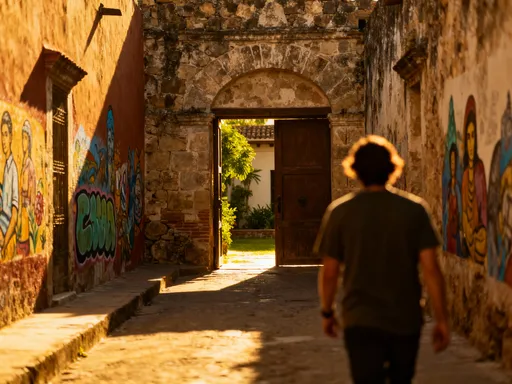
Beyond the main streets and tourist landmarks, Dubrovnik reveals its most intimate side in its hidden courtyards. Tucked behind arched gateways, nestled within monasteries, or concealed within noble palaces, these quiet spaces offer a counterpoint to the city’s grandeur. They are places where time seems to slow, where ivy creeps up ancient walls, and where sunlight filters through cloister arches in delicate patterns. For photographers, these courtyards provide a wealth of evocative subjects—Gothic columns, weathered doorways, stone fountains, and overgrown greenery—that speak to centuries of quiet living.
One of the most photogenic is the cloister of the Franciscan Monastery, a two-tiered arcade with slender columns and intricate carvings. The play of light and shadow here changes throughout the day, creating a dynamic canvas for monochrome photography. The monastery’s herb garden, one of the oldest in Europe, adds texture and color, with rows of rosemary, lavender, and sage framing the stone paths. Another gem is the Rector’s Palace courtyard, a blend of Gothic and Renaissance styles, where the grand staircase and vaulted ceilings invite dramatic low-angle shots.
These spaces are best visited in the late morning or early afternoon, when sunlight streams through the upper arches, casting sharp geometric shadows. A polarizing filter can enhance the contrast between stone and sky, while a wide aperture creates soft backgrounds that emphasize a single architectural detail. Because many courtyards are part of active religious or cultural sites, quiet respect is essential. Avoid using flash, and be mindful of visitors praying or meditating. The goal is not to intrude, but to observe—like a guest in a private world that has opened its door.
Photographing these courtyards is an exercise in patience and presence. Slowing down allows the photographer to notice subtle details—a rusted hinge, a chipped capital, a patch of lichen—that tell stories of time and touch. These images, though quieter than sweeping vistas, often resonate more deeply because they feel personal, authentic, and alive. In a city famous for its postcard views, it is these hidden corners that reveal the soul of Dubrovnik.
Beyond the Old Town – Architectural Gems in Surrounding Neighborhoods
While the Old Town captures most of the attention, Dubrovnik’s architectural story continues beyond its walls. The neighborhoods of Ploče, Lapad, and Gruž offer a different rhythm—one that blends modernist design, seaside villas, and coastal promenades with the enduring influence of Mediterranean tradition. Ploče, just east of the Old Town, features elegant 20th-century buildings with sea views, many designed in a restrained modernist style that respects the landscape. The pedestrian promenade here, shaded by palm trees and oleander, is perfect for capturing the quieter side of Dubrovnik life—locals walking dogs, couples strolling at sunset, children playing by the water.
Lapad, further north, is known for its relaxed atmosphere and tree-lined avenues. The area includes several boutique hotels and private homes built into the rocky coastline, their white walls and flat roofs echoing the island architecture of the Aegean. The Gruž harbor, meanwhile, offers a working-port aesthetic—colorful fishing boats, cranes, and warehouses—that contrasts with the polished beauty of the Old Town. These scenes, though less picturesque in the traditional sense, provide valuable context and diversity for a photographic portfolio.
Reaching these areas is easy by foot, bus, or taxi. A scenic walk from Pile Gate along the coastal path takes about 20 minutes and includes stunning views of the city walls from the sea. Local buses run frequently and are affordable, with single rides costing around 2 euros. For photographers, visiting these neighborhoods in the late afternoon or early evening offers softer light and more natural activity. A standard zoom lens (24-70mm) is ideal for capturing both wide scenes and tighter architectural details.
These outer districts remind us that Dubrovnik is not a museum frozen in time, but a living city that evolves while honoring its past. The modern buildings, though different in style, often use local stone, terracotta, and sea-facing orientations that echo traditional design principles. By including these areas in their work, photographers gain a fuller understanding of Dubrovnik’s architectural identity—one that is resilient, adaptive, and deeply connected to the sea.
Framing More Than Stone
Dubrovnik’s magic lies not in its perfection, but in its layers. Every stone tells a story—of earthquakes and rebuilds, of trade and siege, of light and shadow. For photographers, the city is more than a collection of beautiful views; it is a living canvas where history, architecture, and human presence converge. The grand panoramas from the walls, the golden glow on Stradun, the quiet dignity of a hidden courtyard—all of these moments invite a deeper kind of seeing. They ask not just for a camera, but for attention, respect, and patience.
To photograph Dubrovnik is to engage in a dialogue with time. It is to notice how light transforms a wall at different hours, how water shapes stone over centuries, and how people move through spaces built long before they were born. The best images do not merely replicate what is visible; they reveal what is felt. They capture not just the city’s beauty, but its resilience, its rhythm, its soul.
Whether using a smartphone or a professional DSLR, every photographer can contribute to this ongoing story. By seeking both the famous landmarks and the forgotten corners, by balancing technical skill with emotional awareness, they help preserve not just images, but meaning. Dubrovnik does not need to be idealized. It only asks to be seen—truly seen—and in that act, a connection is made. Through the lens, we do not just capture a place. We remember it, honor it, and carry it forward.